
Running Towards Fear and the Freedom to be Wild: A Dialogue with Suwilanji Namusamba

RUNNING TOWARDS FEAR AND THE FREEDOM TO BE WILD
A DIALOGUE WITH SUWILANJI NAMUSAMBA
Suwilanji is an avid reader, foodie, writer, traveller, and shutterbug. In 2001, she was one of the winners of the ANTOA Writing Contest, awarded for her poem Dusk: Earth Rising. Her poems appeared in Ubwali Literary Magazine’s inaugural issue, including an ode to happy-ever-after called Dear Future Ntwenukané, and her essay titled Thoughtlets on Immersion, reflecting on her relationship with water, was featured in its fourth issue. Her love letter, “My Avocados Are Made of Gold”, was featured in Bold Ambition’s 2025 anthology, Lover’s Rock. She is currently working on a poetry chapbook, her memoir and a work of fiction.
She pays for her expensive habits with her other guilty pleasure, being a full-time lawyer. She holds a Bachelor of Laws degree from the University of Zambia and a Master’s degree in International Commercial Law from the University of Leicester (UK). She has worked in private practice, primarily civil and criminal litigation, since admission to the Zambian bar in March 2014. In April 2020, she became the first female Partner at her firm in its then 52-year history.
Suwilanji is a keen mental health advocate and aims to keep winning aunt of the year for teaching the little munchkins in her life how to swim. You can see snapshots of her adventures on Instagram.

BY NKATEKO MASINGA
This conversation took place between Zambia and South Africa, via email.
Nkateko: Hello, Suwilanji. Thank you so much for agreeing to have this conversation with me. Congratulations once again on being shortlisted for the Ubwali Hope Prize. Your essay, Thoughtlets on Immersion, took me back to the first time I read Chikodili Emelumadu’s “What to do When Your Child Brings Home a Mami Wata”, which became something of a reference guide for me in 2020 as I navigated a relationship with a man who was convinced that I was a water spirit (Laughs). I realised after several arguments that the energy I was spending trying to convince him that I was “normal” was misguided, I should have been honing my powers instead. I couldn’t help but smile when I got to the part of your essay where you recounted a friend calling you a nyami nyami. Greetings, fellow water creature!
Suwilanji: I am so excited to be having this conversation with you, and thank you! Being shortlisted for Ubwali’s Hope Prize is truly such an honour! I must say that I had never read What to do When Your Child Brings Home a Mami Wata, and now that I have, I’m quite disappointed that I may not be a water spirit after all! (insert plenty of laughter here) But what an enjoyable read! It was a delightful surprise, witty and weaving folklore into an academic structure that literally had me saying: “Wait, am I supposed to take this as fact…? Or???” The sardonic flow of it was perfectly executed. Thank you for introducing such an interesting piece of writing to me. Actually, interesting is a poor choice of word, I will find a better one later… Let’s leave it at “intriguing” for now. And hello fellow water creature, because clearly I can’t escape that that’s what I am. Haha! The tribe has spoken!
Nkateko: Right? It’s such a stunning piece. I cycled from “I am definitely not a Mami Wata” to “But wait…” many times. Academic writing has a way of making me feel as if I am consuming fact-driven and peer-reviewed material that I can trust, and that I will subsequently want to cite in my newly conceived research project on the subject… I fear it may be propaganda in favour of the scholarly agenda. I was obsessed with Greek mythology in high school because I had teachers who would use Icarus, Narcissus, Pandora and others as warnings against ambition with no plan, or vanity, or the consequences of disobeying instructions. When I started reading African literature in university. I fell in love with the mythology of our continent, which is so interlaced with fact that it seems plausible that we have magic that we were forced to forget. Magic that is not restrictive, but is instead fluid and open to wider interpretation. Magic that gives me the impulse to respond, whether through critique or ekphrasis. Your jet-setting adventures seem to involve large bodies of water where you experience a push-pull between wanting to be near and wanting to retreat to safety. How does your caution coexist with curiosity? Who taught you how to swim, and in what kind of setting did you learn?
Suwilanji: Ooooohhhhh! More on magic later, it’s something I definitely want to dive into with regard to African literature, especially some books that I absolutely have to talk about, if we have time. But first…water! The memories I have about learning how to swim will probably explain the fear-love relationship. I was in boarding school from age 6 and we started learning how to swim in a shallow kiddies’ pool. To move from “no seal” to “red seal” you had to swim a width of the big pool and at some point there was a strong current of water which swooshed at you, that always gave me this idea that I would be washed away. Watching a few other classmates manage it and realising that the members of staff were very vigilant and encouraging, I built my confidence, conquered that challenge and eventually just kept pushing myself to try more and more, moving all the way to what was “gold seal”. I learnt how to dive from the different heights of diving board, went on the highest water slide, swam the full length of the pool underwater, and could eventually tread water for an hour. When I watched Titanic later in life I thought this might be a useful skill if I was going to keep going on these water adventures.
“I tend to run towards my fears to try and conquer what my natural instinct tells me, in as “childlike” a manner as I can. I took the whole “we learn fear, we are not born with it” too seriously and I am always trying to ensure that my phobias are rational.”
The interesting part about my primary school is that we didn’t just get to swim in a pool, we also spent time swimming in the river nearby, and on school trips outside of the school premises we were always told which water bodies were safe to get into and which were not. I guess I took all these things for granted though, because being safe didn’t mean that we weren’t co-existing with other creatures, sometimes snakes, crabs, slimy frogs and other amphibious creatures were also just trying to enjoy the water. Somehow, though it was always adventurous, it felt safe. On school holidays my parents also encouraged me and my siblings to swim, and as my independence grew, so did my sense of curiosity to explore more places. Ultimately, even though I carried the fear with me on many occasions, I also knew that there was no way I would miss out on a swimming experience because of it.
Nkateko: Those are such beautiful memories! I am so envious. I was a sickly child, so my parents were cautious about anything that could trigger my asthma, with swimming being a major culprit. If it was cold or raining on a P.E (physical education) day, my mother would write a letter to the Life Orientation teacher, telling her that I should not be permitted to swim that day. This infuriated me because we received marks for participation in P.E and I prided myself on being a top student. I hated that something outside of my control had such a huge impact on my results, so I made sure I over-compensated in everything else. In winter we played baseball instead of swimming, and I loved running around on the field. It’s where I discovered my passion for athletics.
In my pre-teen years, girls were allowed to opt out of swimming without needing to provide a letter. All we had to do was show up at the pool fully dressed and the teacher would know it was “that time of the month”. In high school, swimming became compulsory again. Any girl who tried to use their period as an excuse would be told “That’s fine. I have a box of tampons in my classroom. Grab one and get in the pool.” I think that’s when I started to enjoy swimming. I had no choice, so I made the best of it and accidentally fell in love. I joined an after-school class called The Dolphins, for those of us who could not swim well, but I eventually dropped it because it interfered with my academics. I have been thinking about taking swimming lessons now as an adult. Two of my close friends are learning to swim in their 30s and I am so inspired!
Suwilanji: Your childhood asthma story sounds a lot like mine! Hearing mother dearest talk about those days when I was sickly always brings tears to my eyes. It also makes me understand what a leap of faith sending me to boarding school was for my parents. I can tell you that the moment I would get home from school, I was treated like a delicate egg, similar to what you’re describing. And I fought back hard, a lot of times to my detriment healthwise, I must admit. If you know what a “warm steam vaporizer” is then I need not say more. (Haha!)
I love that you got a chance to participate in other sports that you enjoyed during that period though. It sounds like your relationship with water is very much an “in spite of” story, and I’m so glad that you still had the opportunity to join an aquatic group, albeit for a short time. I remember enjoying swim class in school and participating in some inter-school races in high school. The goal was to represent Zambia in international races at some point, but I abruptly quit the class at some point in solidarity over an injustice we felt about who was being chosen to swim in what we considered the “bigger races”. I don’t regret it, because I imagine that it made sense at the time. In hindsight, I am also very aware of how I get when something I enjoy is made too competitive and stops being enjoyable, so somehow I think it was for the best. But I am grateful that my time in water made me a stronger swimmer.
Do you share any of my fear of large water bodies?
Nkateko: Oh, absolutely. I think that my motivation for wanting to learn to swim properly is that I find the ocean terrifying. I need to visit the coast at least twice a year in order to feel sane, but as soon as I am there, I realise the vastness of the water and it overwhelms me. I ran the Boxer Super Run at the Durban beachfront last year and it was so much fun. I certainly love being near the water, but being in the water is a different story. There is a sunset cruise that I was eyeing on my last two trips to Cape Town, but I ended up not booking it despite talking about wanting to try it on both occasions. I have done two bungee-jumps, one over a bridge and the other over a cliff, and I know that if I were to arrive blindfolded at the scene of a bungee jump over a large water body, that is where I would draw the line. I would be thinking, now I’m tempting fate beyond what is reasonable. I have heard that some spiritually inclined people fear that the water will take them if they get too close and I may have internalised that a bit.
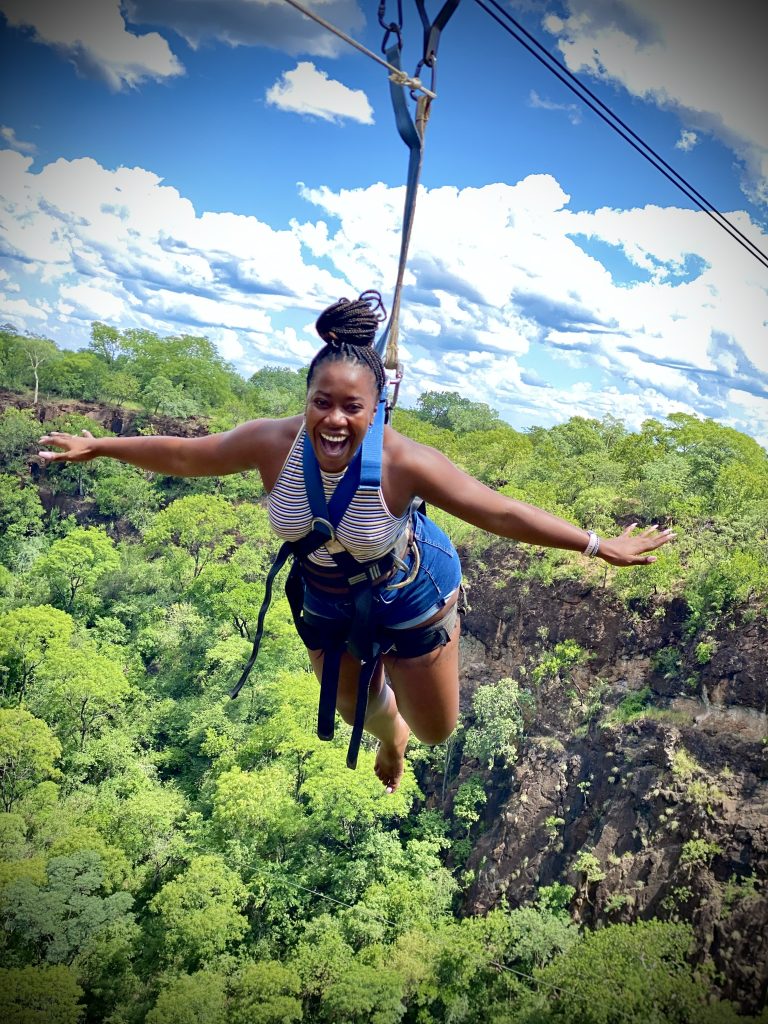
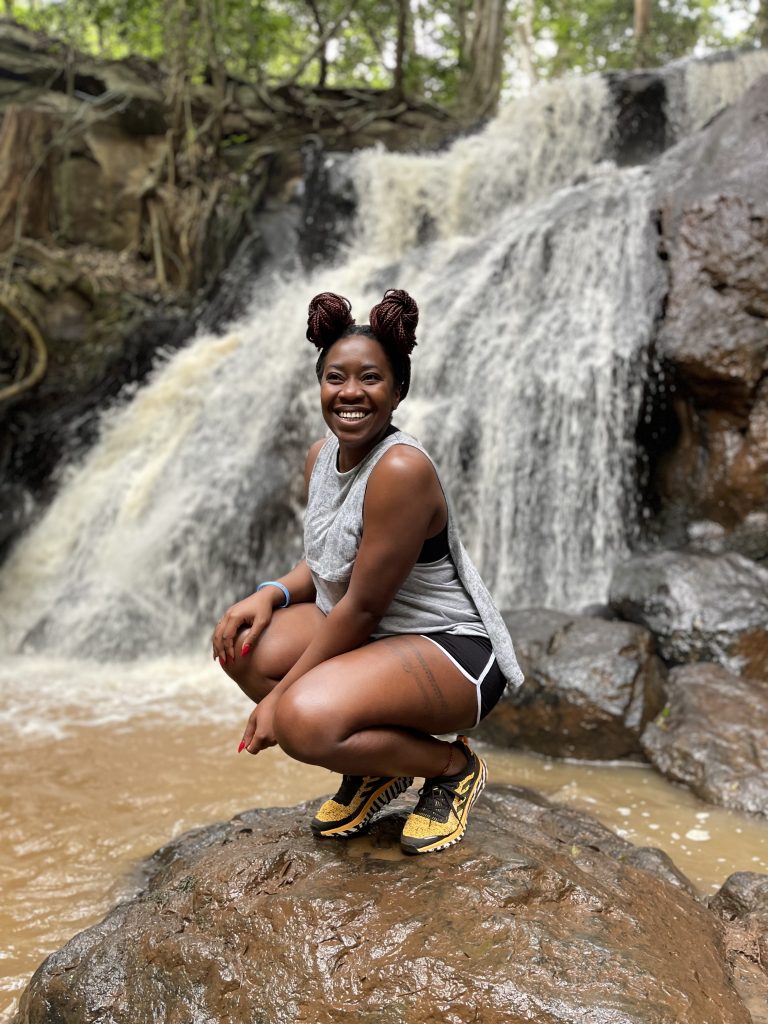
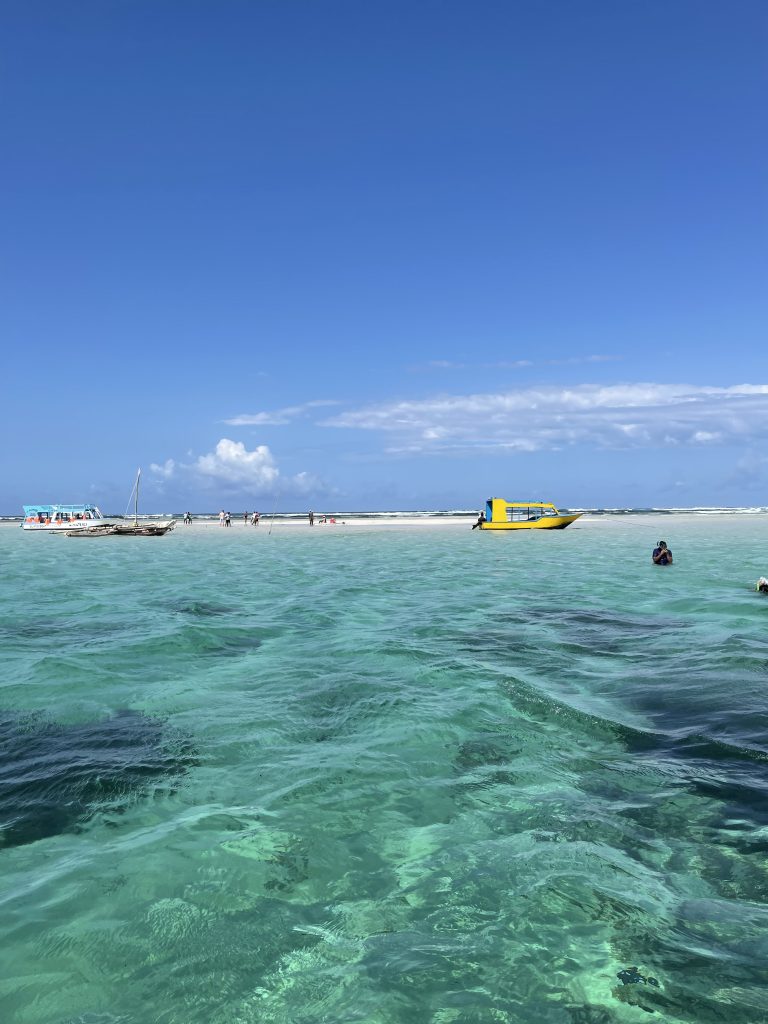
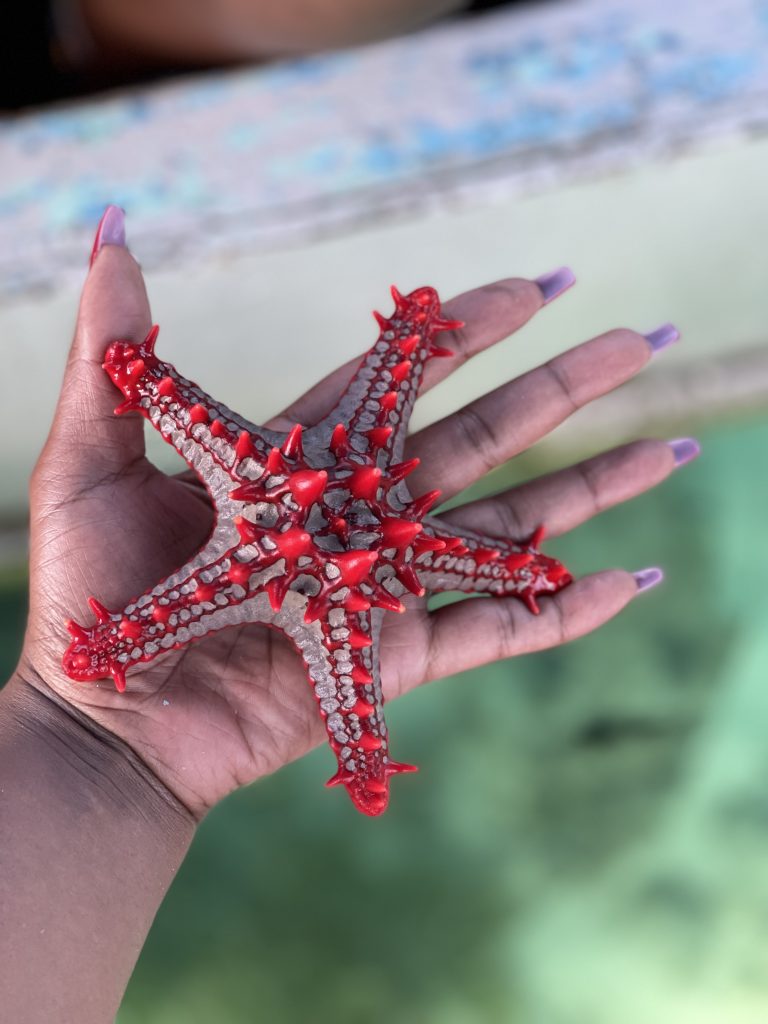
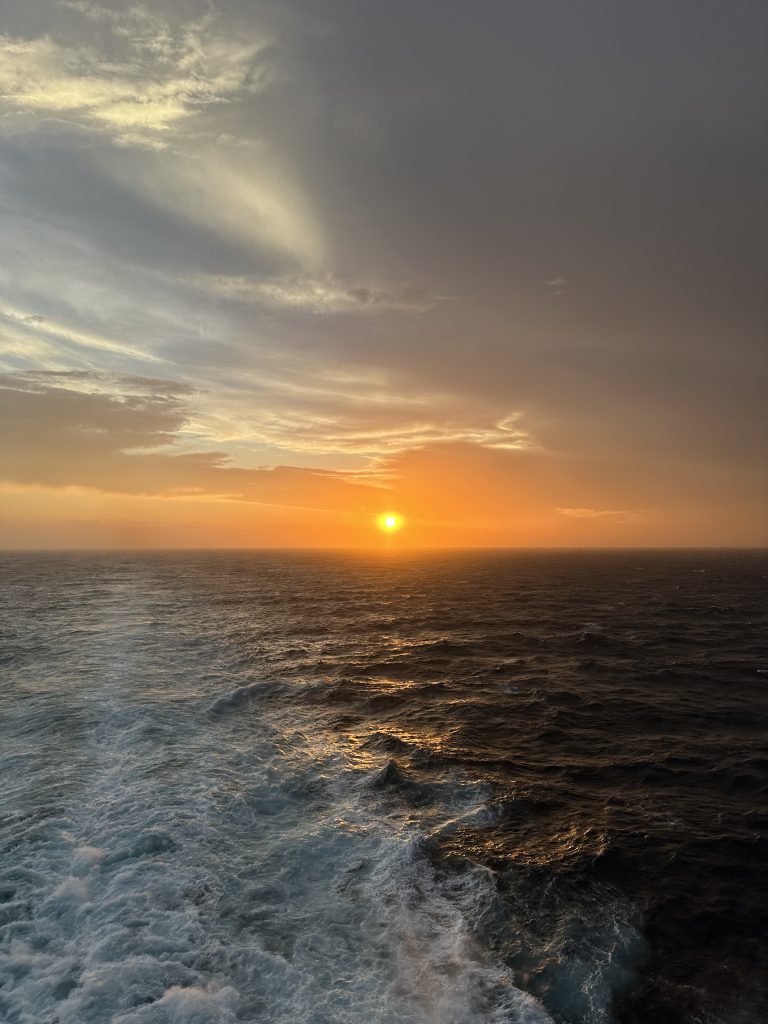
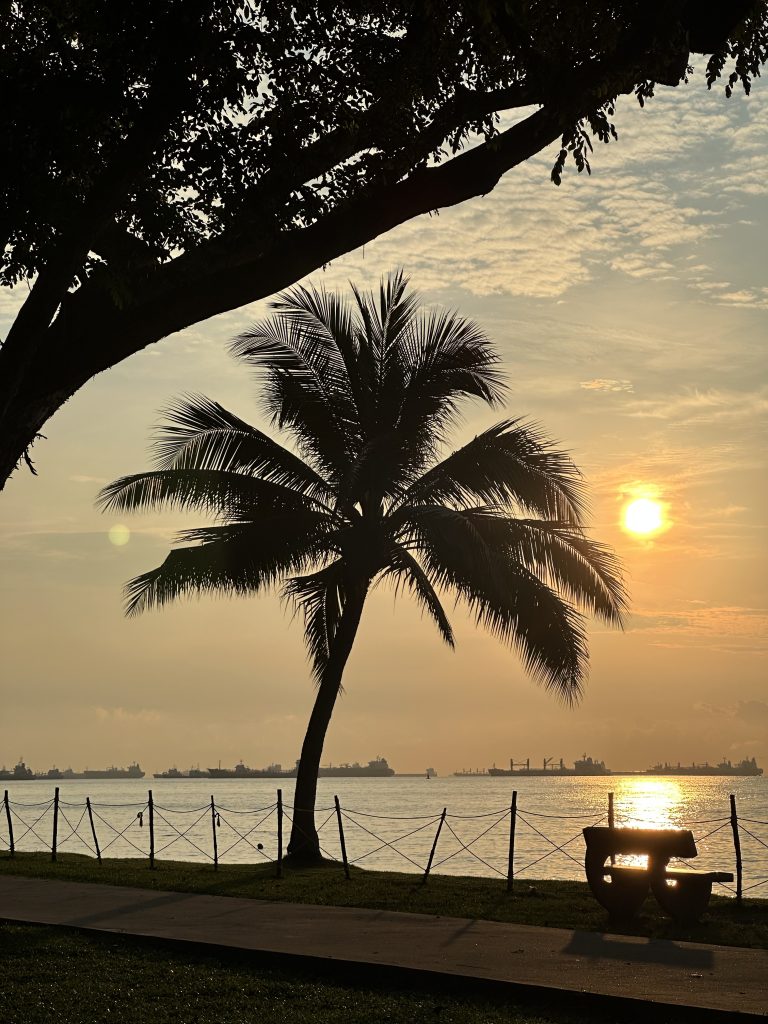
Suwilanji: I’m afraid of heights so just you mentioning the bungee has my breath catching in my throat! That must have been exhilarating! It’s interesting that you don’t feel the same fear in relation to what might be viewed as the more terrifying experience, but large water bodies are a source of disquiet. I have done some abseiling/ziplining type activities from great heights and they had my heart racing, but my excitement exceeded the fright in those moments. I have had to let my bungee dreams slip away on account of an old knee injury that might be exacerbated by the experience, so I am slightly green with envy that you have had the rush twice.
I feel like I tend to run towards my fears to try and conquer what my natural instinct tells me, in as “childlike” a manner as I can. I took the whole “we learn fear, we are not born with it” too seriously and I am always trying to ensure that my phobias are rational. (Haha!)
What you said about spiritually-inclined people and fear of water is interesting. I have never heard that before, but what you’ve mentioned reminds me of the last chapter of Homegoing by Yaa Gyasi where the character Marcus explains his fear of the ocean. I have only really come to consider nature and spirituality over the last three years or so because of broadening my reading genres. I feel like I grew up strongly separating myth/folklore and reality, but now after personal experiences, encountering different places, cultures and hearing different stories from people I have met, I know that life isn’t quite that black and white. I have so many moments etched in my mind from Jennifer Nansubuga Makumbi’s The First Woman, where I just sat in the possibilities. I know for sure that the more I read, the more I know, and the truth is I actually just have way more to consider in the realm of fear vs. intuition.
Nkateko: I love the idea of running towards your fears instead of away from them. I am a naturally playful and curious person and this part of me manifests most strongly when I am far from home, whether for work or on vacation, until I get a sobering reminder that there are some experiences I cannot fully immerse myself in because of how I am perceived by others and how my safety may be compromised because of discrimination.
Has your approach to fear influenced your life as a traveller, particularly with regard to places you may have been cautioned about and still visited, and experiences you have been side-eyed for considering but still went ahead and tried? What are your thoughts on “Traveling While Black” as a phenomenon, especially as a woman?
I have spoken to a few Black women who claim to have never experienced any microaggressions while traveling, and I wonder if I may have read too much into certain encounters. One of these women is a friend who successfully completed her “30 countries before age 30” challenge a few years ago and to this day has nothing negative to say about any destination, even the ones on my “never again” list.
Suwilanji: Interesting topic, this: travelling while black. I do my fair share of solo travel as well as travel with friends (mostly women). Like you, my playful/curious seems to be more intense when I’m away from home. Probably because of the fact that I feel like, in a place where I am not known and identified by my day job, I can enjoy greater freedom to just be me in all my wildness. (Haha!) And I definitely dive into activities even when I am given the “black people don’t do this” look (a statement I still find is so…limiting?) It seems strange to me to travel all the way to a different place only to do the same things you do back home, or just see the lieux célèbres and not explore what else the destination has to offer. I’m more of a traveller than a tourist in that sense, I suppose, if that’s a real distinction.
I will admit that I have only experienced what I felt was some form of racial profiling once when I was travelling out of the country with an ex-partner. With his beard and more “olive” skin tone next to a much darker skinned me, I don’t know what they conceptualised. After furtive glances between immigration officers, he was being asked to open his bag (it was actually mine, but he had lifted it onto the conveyor belt) for what I still feel was no apparent reason. We discussed it later and laughed about it, because we had imagined that we would receive that treatment in our destination country, and not on exit from our own. I haven’t had an experience like that again other than when I was leaving Asia and had a large scented candle in my hand luggage that the scanner picked up, and they needed me to open my bag to see what it was.
As for micro-agressions… Hmmmmm… I have to say that a lot of my travel, particularly in places where black people are not in the majority, I haven’t really had any extreme incidents that stand out. I did once have hotel staff tell me to cover up before going into the dining area because I was wearing something like shorts and a bikini top, while someone fair-skinned was allowed to walk in wearing less. I was defiant and walked in anyway because I was not going to be mistreated on my own continent lol. I recently stayed at a hotel for a night where I might have been the only woman not wearing a head covering, and I noticed a lot of stares and less than warm reception from most of the staff. I have spent time in other places where I only saw a handful of other dark-skinned people for my entire stay, but largely I have been treated well, simply ignored, or was honestly too busy having a good time to notice or care.
When I am on vacation I have a motto about fun. I paid for it, and I’m there for a week at most, so I refuse to let that be ruined. I respect the cultures, the people and the places I visit with a solid “do no harm” policy. Wait, there’s a Pinterest image that comes to mind, I don’t know if you’ve seen something similar, it’s corny but apt: “Leave nothing but footprints. Take nothing but memories. Kill nothing but time.” I think that, as a traveller, if you’re doing that, you should be allowed to explore in peace.
I’ve thought about you wondering if you read too much into certain situations in relation to micro-agressions…hmmmm, I think that we all come to these encounters with different histories and personal triggers, so I don’t ever think that you should invalidate what you feel when you feel it. Personally I always take a moment to consider the situation in hindsight, when the rum, wine or adrenaline has left my system, and I assess whether my internal reaction was justified. Fact: most times it’s an “I saw what I saw” and I get to choose what I do with that information.
I must say, though, that travelling while black AND woman, what I have appreciated most are the places where I felt safe walking alone at night. Highlight: Singapore!!! I am definitely going back there for more playtime. Safety, and not having to do the man vs. bear debate, in my mind will always matter to me more than what someone random, who I will likely never see again, thinks of me.

Nkateko: Your response is so affirming. Thank you. I go on an annual girls’ trip with my best friend from university (I throw the word “bestie-cation” into every conversation in the weeks leading up to the trip every year, haha!) and our trips can definitely be summed up by the quote on that Pinterest board. She is a meticulous planner, so traveling with her has healed me from the experiences that I had during my erratic travels in my early to mid-20s.
Years ago I had a multiple entry visa to Belgium, and there was a point where I had to exit the country for a while because I had used up all the days from the first entry into the country. I flew to Tbilisi, Georgia (it was affordable, close enough and is visa-free for South Africans) and I had the culture shock of my life. People stared at me every single day (and not in a pleasant way at all) whenever I was out in public, and it got to a point where I just wanted to stay in the hotel all day. When I went back to Brussels, I was already emotionally depleted but I had to make the best of the remainder of my trip. Luckily the second half of my vacation made up for that experience, but I will never forget how a lack of proper planning and not fully understanding the terms of my visa affected my experience.
Vacationing with someone who has a contingency plan for everything has taught me a lot. I am quite the researcher now. No more figuring it out as I go along. Our itineraries are full right until the second-last day because the final day is for going to the spa, packing and driving to the airport. You are absolutely right about prioritising your enjoyment of a trip you paid for and have anticipated for so long. Our day-to-day lives are stressful enough. With that said, I always come back home needing a vacation to recover from the one I just landed from!
As we wrap up our conversation, I would like to go back to the topic of magical realism in the context of African literature. Please tell me about those books! It is winter here in South Africa, and I need some recommendations for books to snuggle up with for the next few months.
Thank you so much for having this conversation with me, Suwilanji. I truly appreciate you sharing your insights with so much care and humour. I look forward to reading more of your work soon and I wish you the very best with the outcome of the Ubwali Hope Prize.
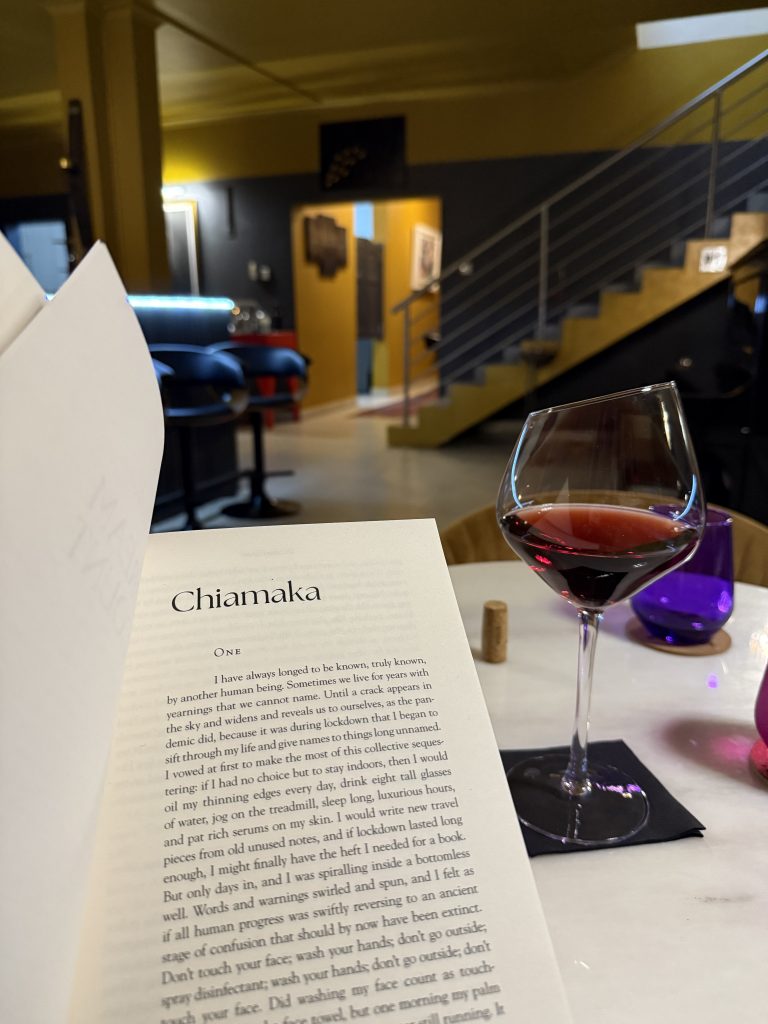
Suwilanji: Thank you for sharing your experience in Georgia, and it’s awful that you had such an unsettling experience. It’s actually somewhere I plan on visiting, and I will definitely share insights about my travel, when I go. I remember vacationing in the Seychelles and people asking if they could take a picture with me and my friend. We imagined it was the pink braids and blonde faux locs that piqued their interest and obliged, but we later noticed other non-black tourists staring. I was reminded of this yesterday when I was reading the character Chiamaka’s encounter in Skopje, in Dream Count by Chimamanda Ngozi Adichie. It made me consider my personal incident in an entirely different light.
I’m so glad that your more recent travels have been healing and not fraught with the stressful experiences from your 20s. Thank YOU so much for this discussion and the vulnerability of sharing your hopes, adventures, fears. To many more amazing escapades for us both! Cheers!
Wait! Before I forget… on magic and African literature! Bear with me on this slightly long monologue here because I’m bursting with things I want to say, but feel free to interject lol!
Before I even get to the recommendations, I need to state that I only really started reading a lot of African literature within the last five years or so. There is absolutely no reason for it other than it was not really on my radar until I started being more interested in writing and a friend of mine told me, after reading a snippet of a short story I was working on: “You need to watch Chimamanda’s TED Talk on The Danger of a Single Story.” I actually need to tell him thanks, because that was the real turning point for me, although in the moment I felt the sting of critique. (Haha!) My problem, though, wasn’t that I wrote stories with non-African characters, but they were set in a world that didn’t exist. I didn’t give the world texture because I was afraid that setting them in Zambia, which I knew so well, would not fit in with my themes, but at the time I had not left the country before, so I had nowhere else to place them. The stories all felt like theatre productions (cue Wes Anderson’s Asteroid City).
One of the books that I read when I started reading more literature by African authors was Patchwork by Ellen Banda-Aaku. On the first page under “Message from Chinua Achebe”, it says this:
“The world is just starting to get to know Africa. The last five hundred years of European contact with Africa produced a body of literature that presented Africa in a very bad light and now the time has come for Africans to tell their own stories.”
This is what inspired me to start writing my memoir, whose working title is: I’m Telling My Own Story. More importantly though, I realised how much I enjoyed reading a story set in a place I knew and had lived in my entire life. Imagine my excitement when my friend shared his unpublished manuscript (brilliant) also set in Zambia. I binged the story within a week and I will not stop poking and prodding him about making sure it gets to print.
I digress…magic! What I realised as I read books which spoke of the people referred to as witches, sorcerers, wizards etc. in African literature was that I got actual chills down my spine. And I had not felt that when I read about them in books set in the “western world” (it’s still called that, right?) where these were fair skinned people. It took me a moment to let it sink in what this might suggest about my conditioning.
I mentioned Jennifer Nansubuga Makumbi’s The First Woman earlier in this conversation. I savoured this book, and it still haunts me in the best ways because there are so many quotes in there that I will never forget. Significantly though, the story of the first woman that the character Kirabo was told by Nsuuta (who is labelled a witch). I read it several times, sat with it with the same “what if…” that haunts me whenever someone tells me a story of something they cannot explain without the existence of magic or the unknown. It also made me consider what is spoken of more, lately, about African culture and stories that we might have lost because we were told to call it witchcraft and label it evil.
Another haunting read is Ben Okri’s collection of short stories: Prayer for the Living. It transported me to all the places described and I finished the last page asking: “But where is Byzantium? Is it real?” He really draws you into this world that you have to keep popping out of to remember the reality you’re sitting in as you flip breathlessly through the pages.
Please indulge me on one last mention: Butter Honey Pig Bread by Francesca Ekwuyasi. This BOOK!!!! My word! I was reading a physical hardcopy but I would listen to the audiobook on my morning runs or while cooking or driving (would not recommend) because I can tell you I lost time! I envy the people that have never read it that will get to feel the enchantment of the story for the first time. Such art! Pure magic. It was a whole experience. Of deepest regrets: that I didn’t join Cheech’s Book Club for the discussion when they were reading it last year, because I really needed someone to talk to as I processed it.
Oh my! I’ve been talking a while! I’m going to end here because I feel like if you give me more time I will go on and on. (Haha!) I promise to share some more book recommendations when we get another chance to chat.
Nkateko: This is great! Thank you so much for sharing so generously, and in such vivid detail! I can relate to your late introduction to the full scope of African literature. Prior to my work as a literary interviewer, my reading was quite insular and did not venture far beyond prescribed books from academia. This is a list I will be spending this season with, and I know it will be greatly appreciated by our readers who are on their winter (or summer) breaks too! We spoke about our real-world land and water adventures earlier and this reminded me that books are often the starting point to trying new things; I often read about places that I am keen to visit and no matter how much I learn from this research, the experience tells its own story. I hope that this conversation will inspire others to reach for their dreams as bravely as you have done both through your work and the way you live your life. Here’s to continuing to run towards our fears and not away from them!

Nkateko Masinga is an award-winning South African writer whose poetry has been translated into French, Bengali, Tamil, Kannada and Romanian. Her latest book, Daughter Wound, was published by UK publisher Hazel Press in April 2024 and was named Book of the Week at the London Review Bookshop in the first week of its release.


